Case Study - Share a Coke
- Marcelo Serafim
- Dec 16, 2025
- 5 min read

The "Share a Coke" campaign remains one of the most celebrated marketing initiatives in modern history. Originally launched in Australia in 2011, the campaign involved replacing the iconic Coca-Cola logo on bottles with the 150 most popular names in the country. This simple yet profound shift from mass marketing to mass personalization fundamentally changed how consumers interacted with the brand. By transforming a global commodity into a personal gesture, Coca-Cola managed to spark a global conversation that reversed a decade-long decline in consumption among young adults.
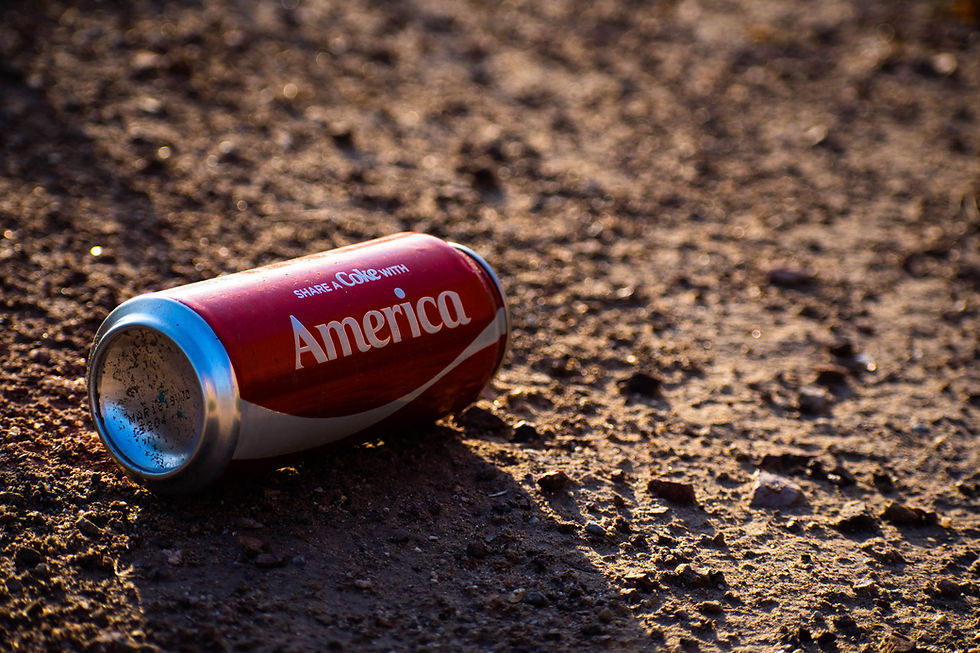
The primary objective of the campaign was to increase sales during the summer period and reconnect with "Generation Z" and Millennials. In an era where consumers were increasingly skeptical of traditional advertising, Coca-Cola needed a way to become "talk-worthy." The strategy leaned heavily on the psychological concept of self-concept, where individuals are naturally drawn to items that reflect their identity. By putting names on bottles, the product became a self-expression tool rather than just a beverage.
The campaign's success was amplified by its seamless integration with social media. Consumers were encouraged to find bottles with their names, or the names of friends and family, and share photos online using the hashtag #ShareACoke. This created a massive wave of earned media, where the consumers themselves became the brand’s primary advertisers. The psychological urge to share a personalized discovery proved to be a powerful engine for organic growth and digital engagement.
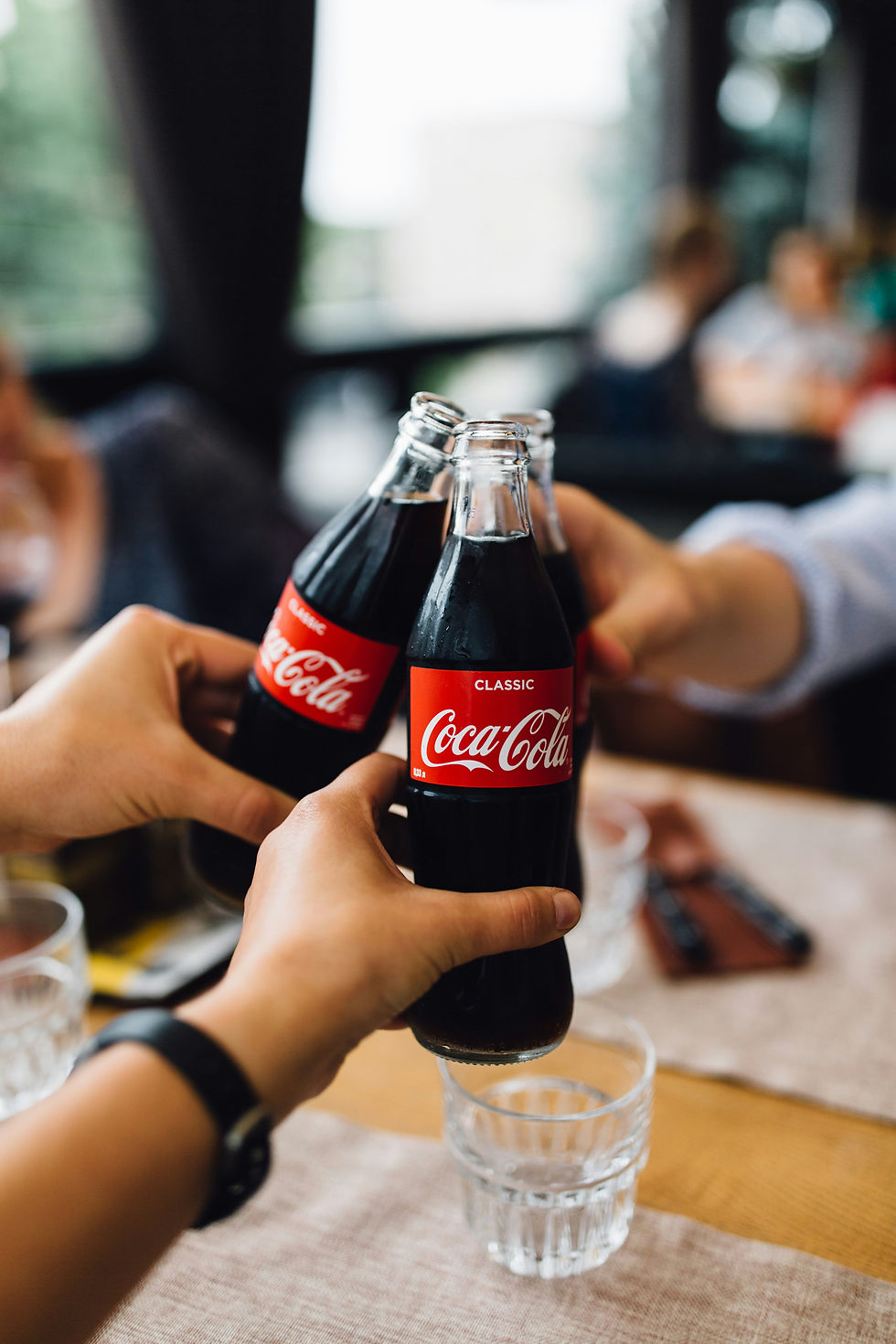
From a logistics perspective, the "Share a Coke" initiative was an unprecedented undertaking. It required a massive overhaul of the printing and distribution processes to ensure a diverse mix of names reached retail shelves simultaneously. The company had to move away from its rigid, standardized production model to a more agile system capable of handling variable data printing at an industrial scale. This technical triumph was essential for maintaining the "surprise and delight" element of the campaign.
The results were staggering. In the initial Australian pilot, Coca-Cola saw a 7% increase in young adult consumption and millions of social media impressions. When the campaign went global, reaching over 80 countries, it successfully revitalized the brand's image. In the United States alone, the campaign led to the first increase in sales volume for the company in over ten years. It proved that even the most established brands could innovate by focusing on emotional resonance.
Beyond names, the company expanded the concept to include song lyrics, nicknames, and even Braille in some markets. This iterative approach allowed the campaign to remain fresh for several years. By constantly evolving the "Share a Coke" theme, the marketing team avoided the "fatigue" that often plagues long-running advertisements. It demonstrated the importance of building a flexible marketing framework that can adapt to different cultural contexts.
However, the campaign was not without its challenges. Critics pointed out the difficulty of representing every name in a multicultural society, which led to some consumers feeling excluded. Coca-Cola addressed this by introducing "Share a Coke" kiosks at malls and events, where people could print custom labels with any name. This move toward total inclusivity turned a potential PR problem into a further opportunity for direct consumer engagement.

The study of this case highlights the power of anthropomorphism in branding—treating a product as if it has human traits or connections. When a bottle says "Share a Coke with Maria," it ceases to be a cold aluminum can and becomes a social invitation. This human-centric approach is now a cornerstone of modern digital marketing, where data is used to make every customer feel like the brand is speaking directly to them.
Furthermore, the "Share a Coke" campaign illustrates the shift from "Push" marketing to "Pull" marketing. Instead of pushing a generic message onto a passive audience, the brand created an experience that pulled consumers in. People went to stores specifically to "hunt" for their names, turning a routine purchase into a gamified search. This level of consumer agency is a goal for many brands but is rarely achieved with such scale and simplicity.
Ultimately, the Coca-Cola case serves as a reminder that the most effective marketing often relies on basic human emotions. Whether it is the desire for recognition, the joy of giving, or the need for social connection, Coca-Cola tapped into universal truths. The campaign didn't just sell soda; it sold a moment of connection, proving that in the digital age, the personal touch is still the most valuable currency a brand can possess.
Questions
What was the primary psychological trigger that made the "Share a Coke" campaign so effective for young consumers?
How did Coca-Cola solve the logistical problem of representing names that weren't included in the initial top 150 list?
In what way did this campaign represent a shift from "Push" to "Pull" marketing?
How did the use of "earned media" contribute to the financial success of the campaign compared to traditional paid TV ads?
What are the potential risks for a global brand when it attempts to personalize products in a highly diverse or multicultural market?
Vocabulary Section
Word | Meaning |
Profound | Very great or intense; having a deep impact. |
Self-concept | An idea of the self constructed from the beliefs one holds about oneself. |
Earned Media | Publicity gained through promotional efforts other than paid advertising (e.g., social media shares). |
Unprecedented | Never done or known before. |
Emotional Resonance | The ability of a message to evoke strong feelings or memories in an audience. |
Iterative | Relating to or involving the repetition of a process, usually to improve it. |
Inclusivity | The practice of providing equal access to opportunities for people who might otherwise be excluded. |
Anthropomorphism | The attribution of human characteristics or behavior to a god, animal, or object. |
Consumer Agency | The capacity of individuals to act independently and make their own free choices within a market. |
Moment | A brief period of time, often used here to describe a specific experience or emotional connection. |
Phrasal Verb Spotlight
Phrasal Verb: To single out
Meaning: To choose one person or thing from a group for special attention or treatment.
Examples:
"The campaign was successful because it managed to single out individual consumers by name."
"The manager singled out Sarah for her excellent performance on the marketing project."
American Idiom
Idiom: To hit the nail on the head
Meaning: To describe exactly what is causing a situation or problem; to be exactly right.
Example: "Coca-Cola hit the nail on the head when they realized that Millennials value personalization over generic brand loyalty."
English Grammar Tip: The Past Perfect for Background Actions
When writing about a case study, you often need to describe an action that happened before another action in the past. We use the Past Perfect (had + past participle) for this.
Structure: Subject + had + past participle.
Example from text: "The company had to move away from its rigid model because it had relied on standardized production for decades."
Comparison: * Past Simple: Coca-Cola launched the campaign in 2011.4
Past Perfect: By the time the campaign ended, sales had grown by 7%.
Listening
Homework Proposal
Mini-Case Study Design:
Think of a local brand or a product you use every day. Design a "Mass Personalization" campaign for it.
Define your target: Who are you trying to reach?
The Personal Touch: What element of the product will you change (name, photo, location, local slang)?
The Hashtag: Create a catchy hashtag to encourage "earned media."
The Pitch: Write one paragraph explaining why this would make the consumer feel a "moment" of connection.
Would you like me to give you a few examples of local brands to help spark some ideas for your campaign?


Comments